5 min read · 8/21/2026
Sleeping With a Satin Bonnet: Why It Protects Your Hair
What friction does to your hair overnight, and how a satin bonnet keeps moisture and pattern intact while you sleep.

You spend a third of your life on a pillow. If that pillow is cotton, it is quietly pulling moisture from your hair and creating friction that leads to breakage, frizz and flattened styles. A satin bonnet fixes that overnight.
Why satin matters
Satin is smooth on the surface, so hair glides instead of snagging. It does not absorb oils like cotton, so your products stay where you put them.
Benefits you will notice
- Less breakage at the edges and nape.
- Longer-lasting styles: braids, twist-outs and silk presses survive more nights.
- More moisture retained, so hair feels softer in the morning.
- Cleaner pillowcases, with less product transfer to your bedding and skin.
How to wear it
- Moisturize and seal your hair as usual.
- Gather longer hair into a loose pineapple on top of your head.
- Pull the bonnet on from back to front so the elastic sits at your hairline.
- Adjust so all hair is tucked inside, with edges covered.
Choosing the right size
A good bonnet has enough room for volume without falling off. If you have locs, braids or very long hair, choose an extra-large or adjustable-band style.
Bonnet vs satin pillowcase
A pillowcase helps, but you move around at night. A bonnet goes where your head goes. Many people use both for maximum protection.
Care
Hand wash weekly in cool water with gentle soap, then air dry. Avoid high heat, which dulls the sheen.
A bonnet is one of the cheapest upgrades to your hair routine, and one of the most effective.
Gear up
Silk durags, satin bonnets and mesh wave caps — free shipping over $40.
Keep reading
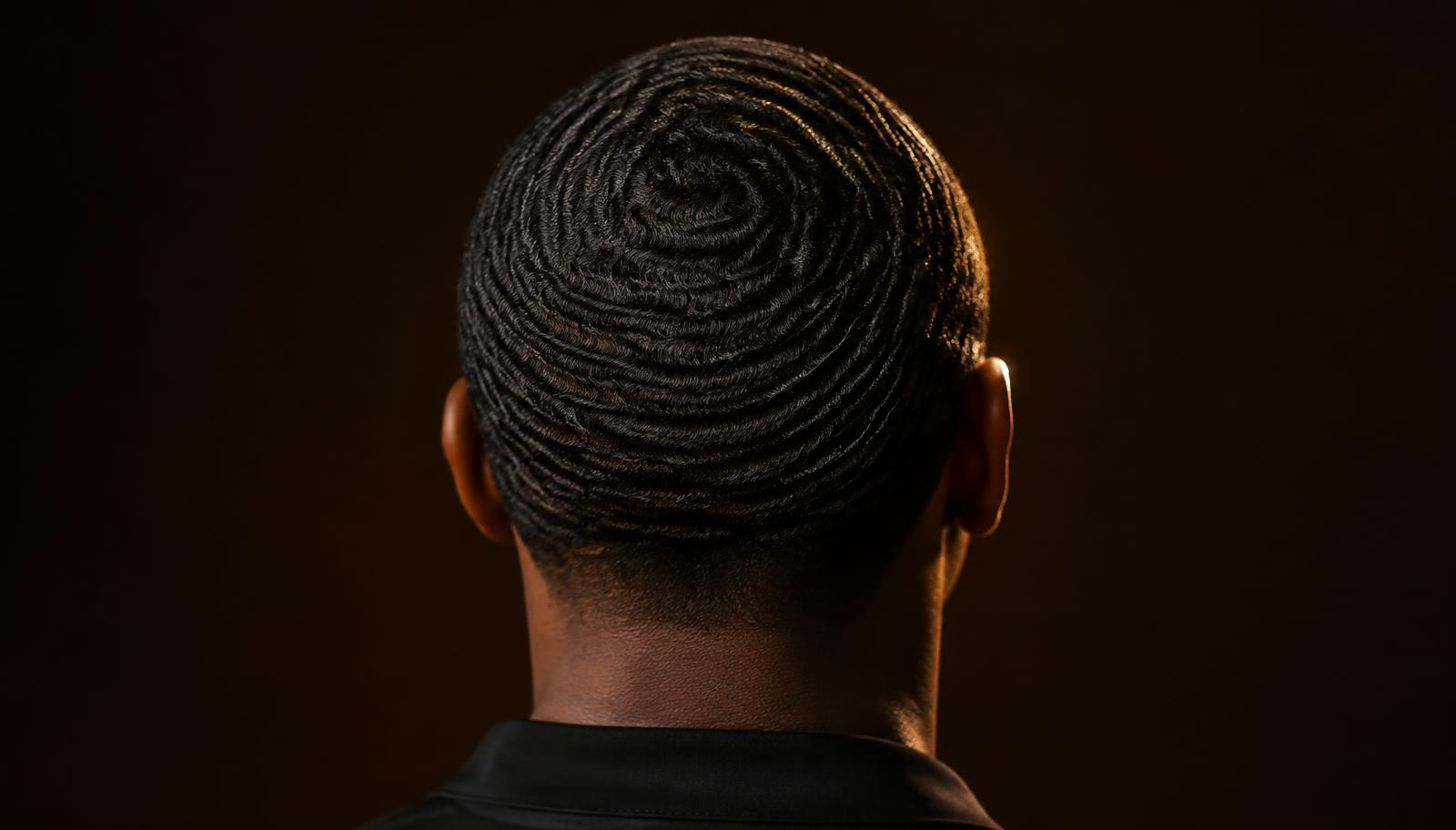
How to Get 360 Waves: A Step-by-Step Beginner Guide
Brushing pattern, wolfing, washing and durag discipline — the full routine for getting connected 360 waves from scratch.
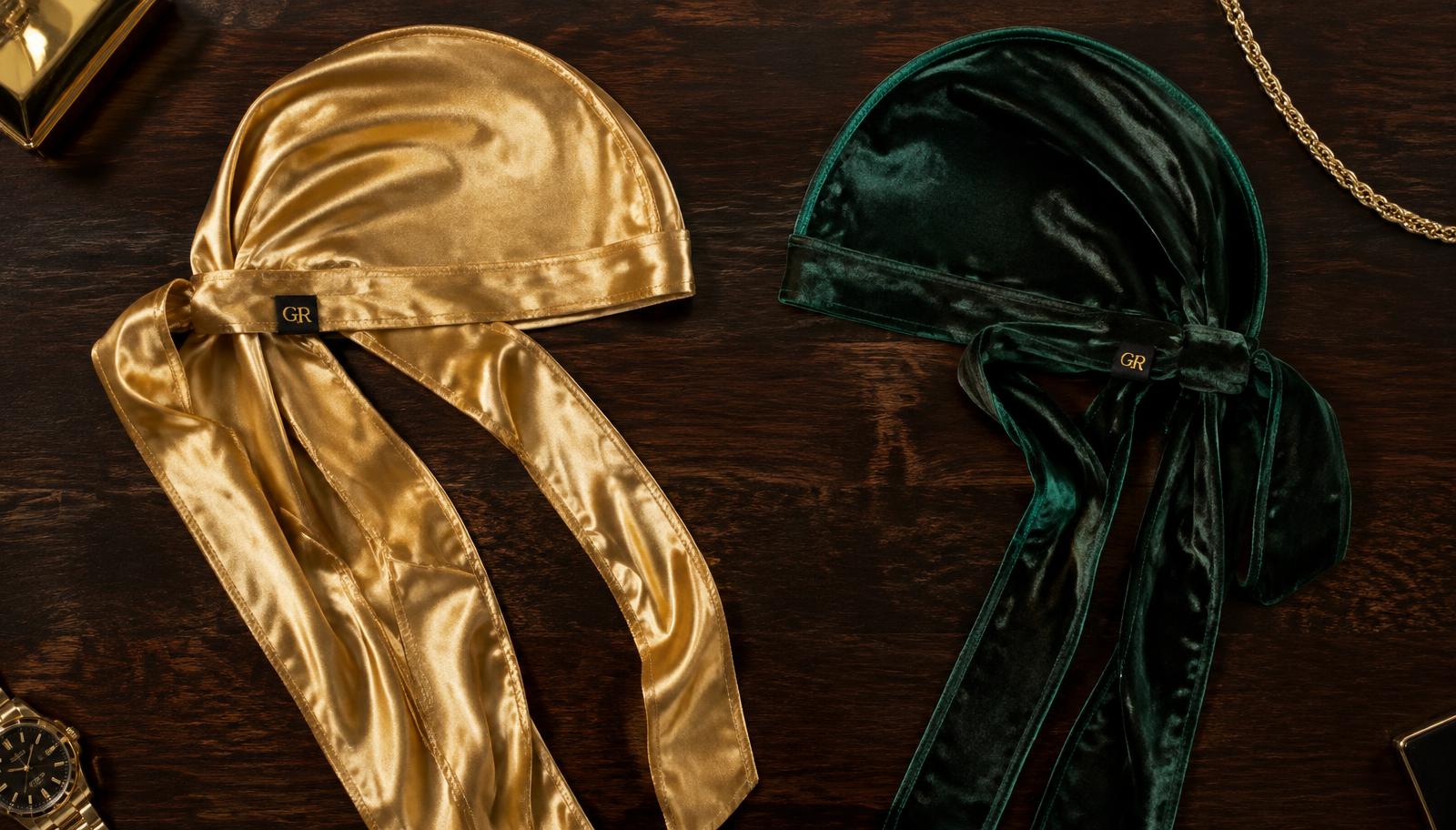
Silk vs Velvet Durag: Which One Should You Wear?
Compression, shine, breathability and price compared — plus which fabric suits your stage of the wave process.
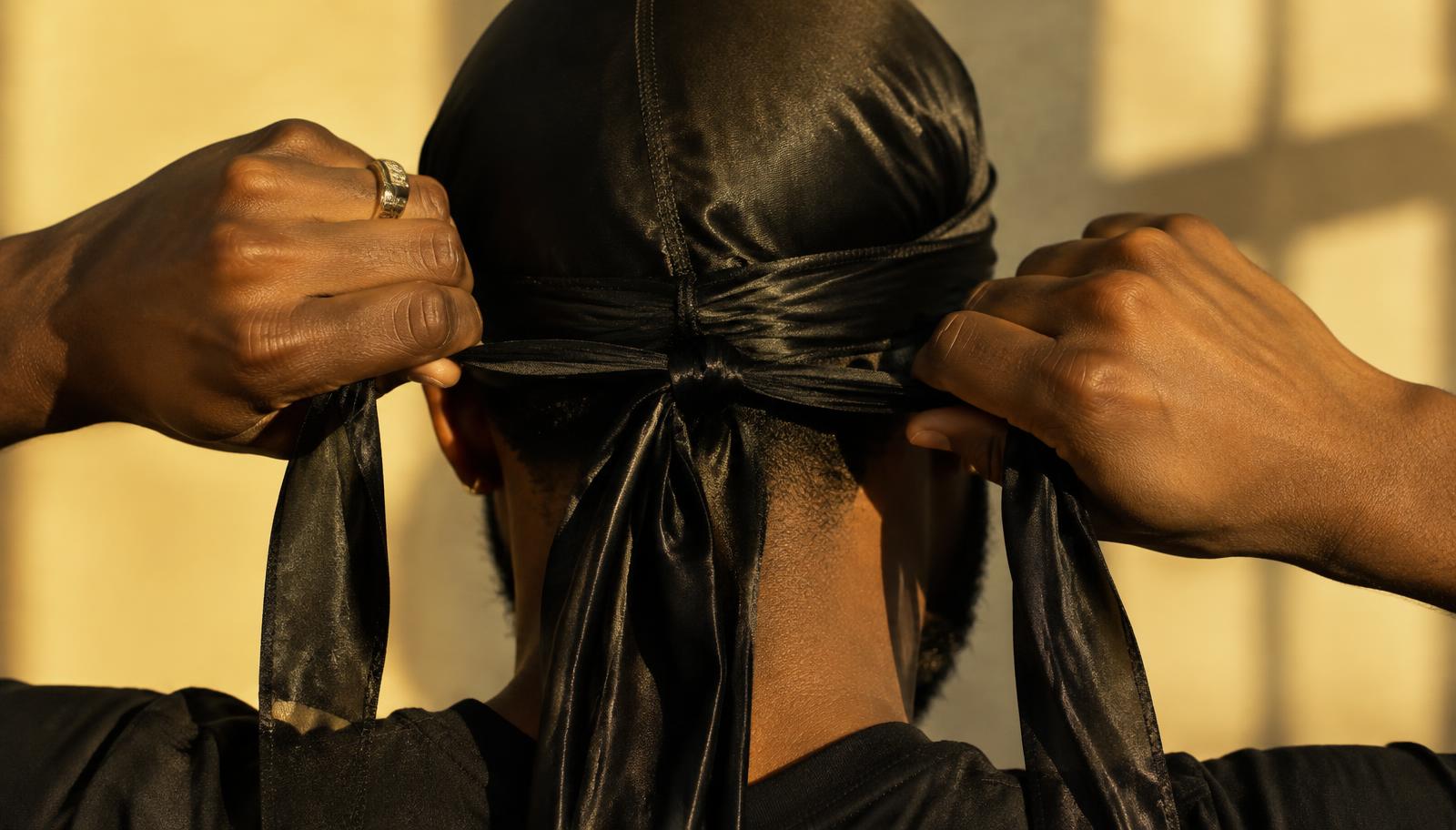
How to Tie a Durag Properly (No Lines, Full Compression)
The exact tying method that gives even pressure across the whole head without leaving a mark on your forehead.