8 min read · 8/21/2026
How to Get 360 Waves: A Step-by-Step Beginner Guide
Brushing pattern, wolfing, washing and durag discipline — the full routine for getting connected 360 waves from scratch.
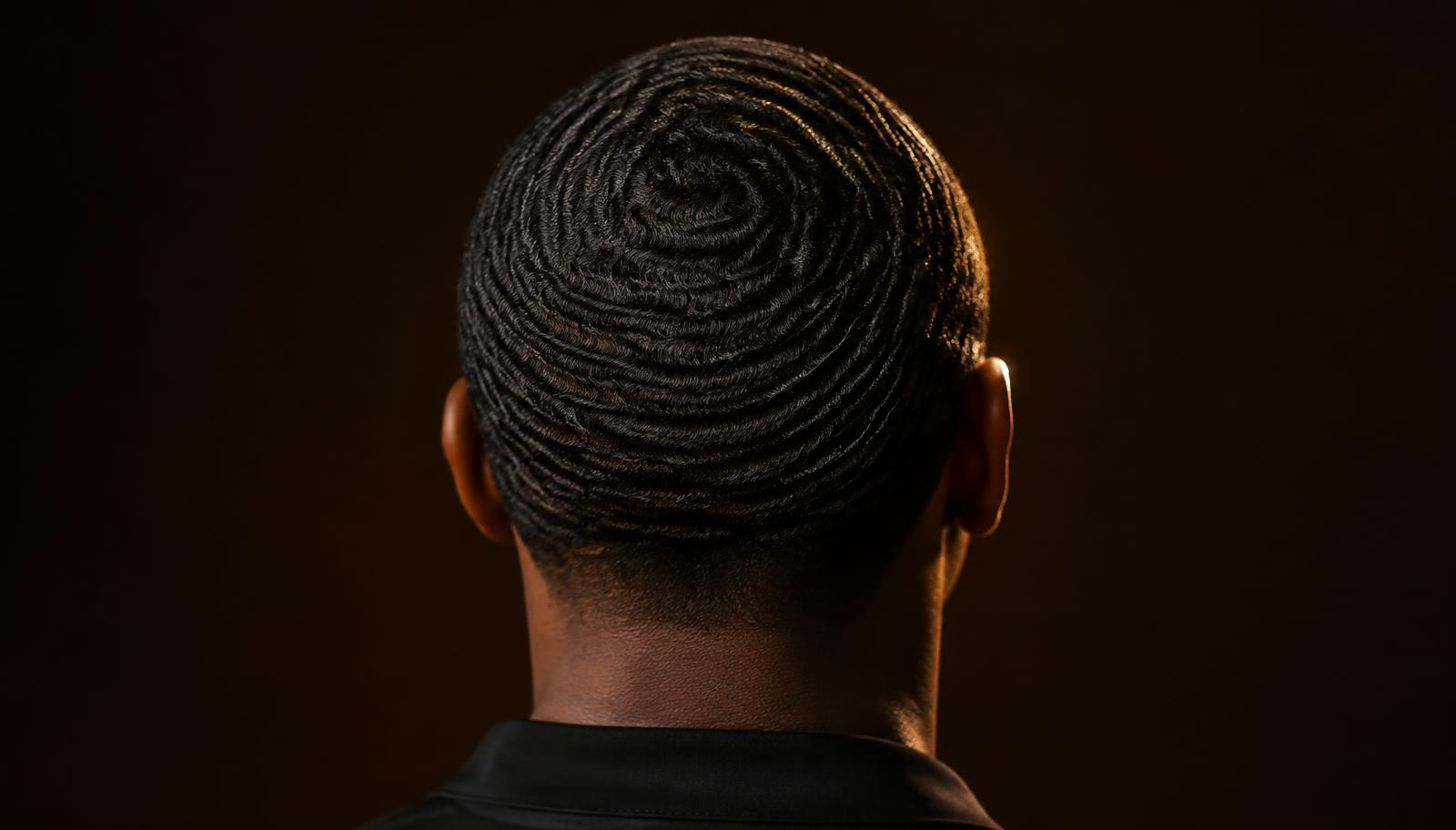
Getting 360 waves is not luck and it is not genetics alone. It is a routine: the right cut, the right brush, consistent pressure and a durag that locks it all in. Here is the exact system we recommend to every customer who asks.
What 360 waves actually are
Waves form when curly or coily hair is trained to lie in a uniform pattern that spirals out from the crown. Brushing sets the direction, moisture keeps the curl pliable, and compression from a durag holds the pattern while it sets. Skip any one of those and the pattern stalls.
Step 1: Start with the right cut
Ask your barber for a #1.5 or #2 guard with the grain, and a clean line-up. Too long and the hair bushes out; too short and there is nothing to train. Many people start a "wolf" (growing without cutting) after the first two weeks.
Step 2: Find your crown
Your crown is the point where your hair naturally swirls. Every brush stroke starts there and moves outward. Mark it in the mirror the first few days so your strokes stay consistent.
Step 3: Brush in sections
- Top: brush forward from the crown to your forehead.
- Sides: brush down and slightly forward toward your ears.
- Back: brush down from the crown to your neckline.
- Repeat each section for 15 to 20 strokes, morning and night.
Use a medium brush for daily sessions and a hard brush once your hair gets past half an inch.
Step 4: Moisturize, then compress
Apply a light pomade or wave cream while hair is slightly damp, brush it in, then put on your durag immediately. That is when the pattern sets. Wear it for at least 30 minutes after every session and always overnight.
Step 5: Protect it while you sleep
Cotton pillowcases pull moisture out and rough up your pattern. A silk durag keeps the surface smooth and the curl defined. Tie it snug across the forehead, not the eyebrows, so there are no lines in the morning.
How long does it take?
Most people see a visible pattern in 4 to 6 weeks and a connected 360 in 3 to 6 months. Wolfing for 4 to 8 weeks at a time deepens the waves faster.
Common mistakes
- Brushing in different directions each day.
- Skipping the durag after brushing.
- Using heavy grease that clogs the pattern.
- Cutting against the grain too often.
The kit we recommend
A silk durag for daily compression and a velvet durag for days out. Both lock in moisture and flatten the pattern without leaving dents. Consistency beats everything: brush, moisturize, compress, repeat.
Gear up
Silk durags, satin bonnets and mesh wave caps — free shipping over $40.
Keep reading
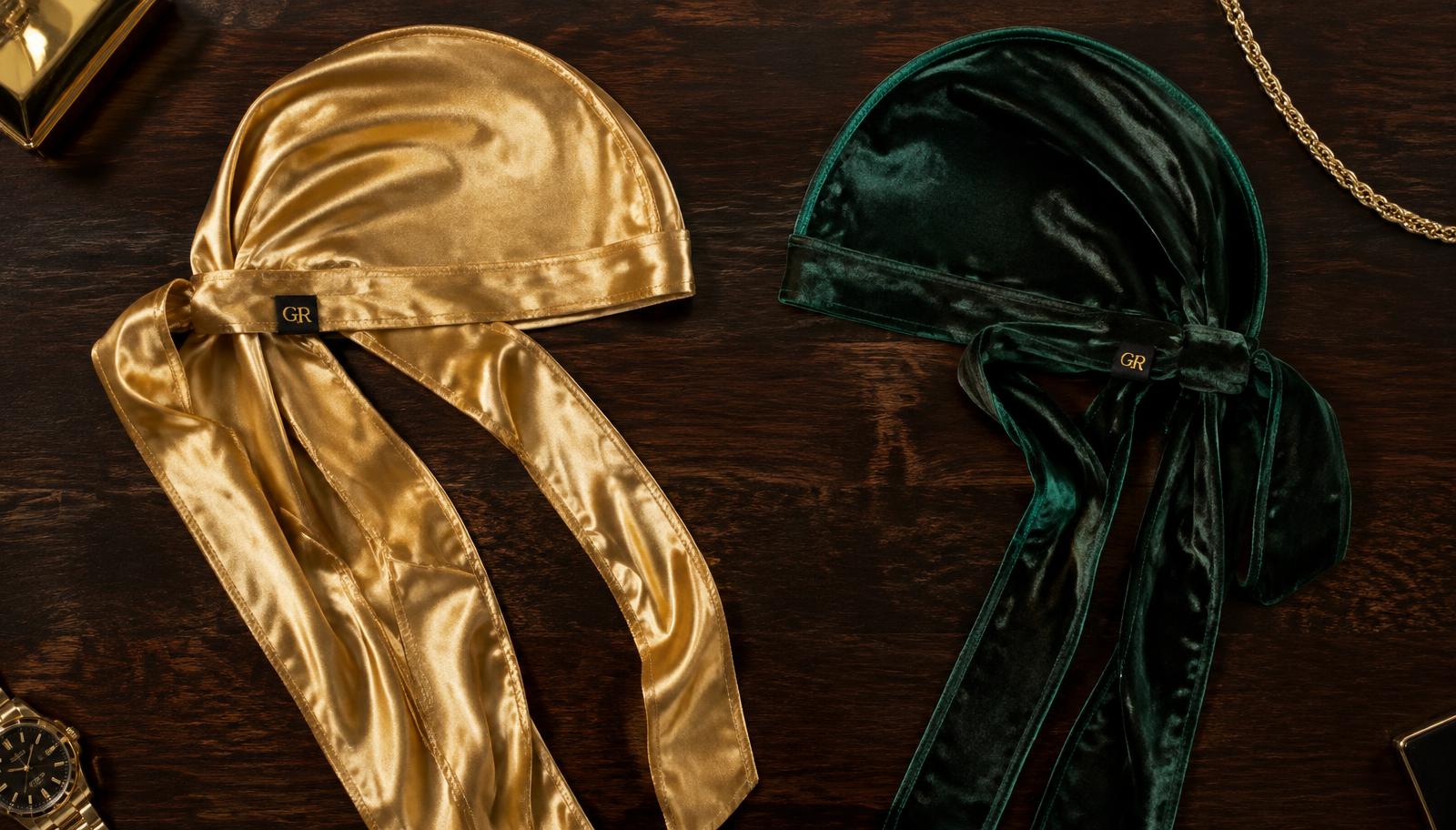
Silk vs Velvet Durag: Which One Should You Wear?
Compression, shine, breathability and price compared — plus which fabric suits your stage of the wave process.
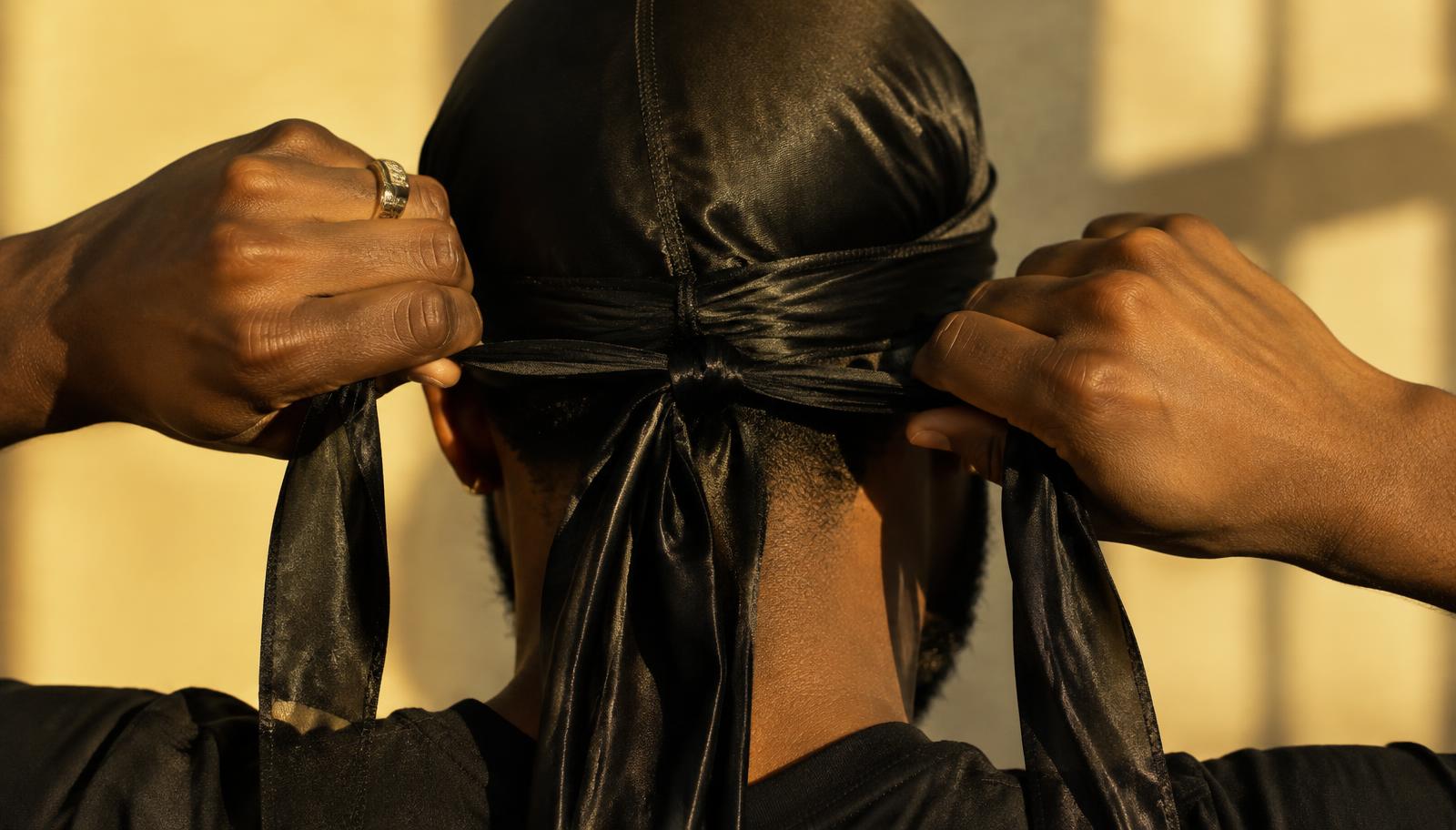
How to Tie a Durag Properly (No Lines, Full Compression)
The exact tying method that gives even pressure across the whole head without leaving a mark on your forehead.

Sleeping With a Satin Bonnet: Why It Protects Your Hair
What friction does to your hair overnight, and how a satin bonnet keeps moisture and pattern intact while you sleep.